
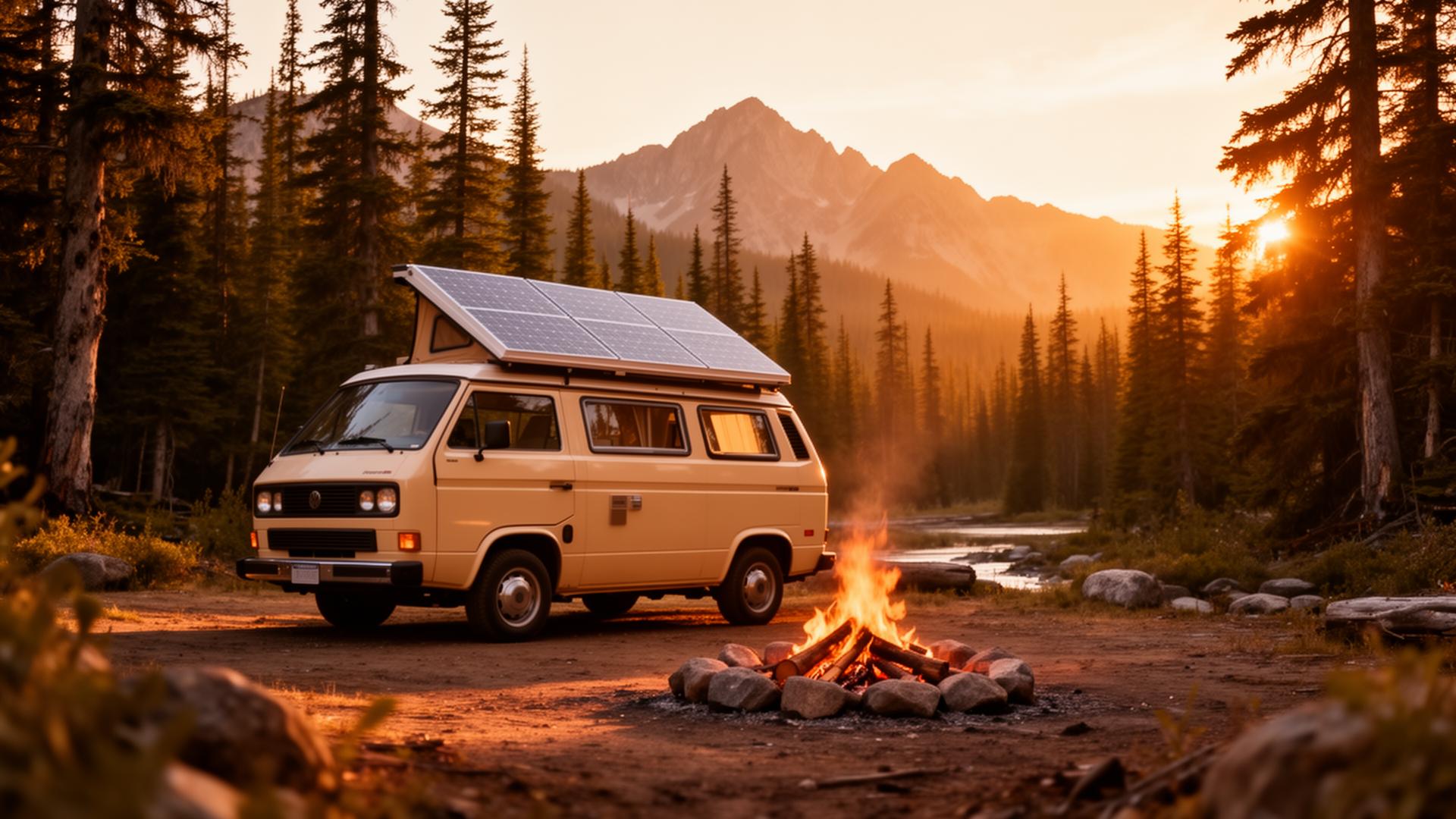
Built from miles on the road
Boondocking Tips
Practical advice from the community — save money, travel on your own terms, and the little things that make off-grid camping feel like home.
- Navy showers: wet down, soap up, rinse off — done in under 2 minutes.
- Use a spray bottle with soapy water for dishes instead of running the faucet.
- Collect gray water from cooking and rinsing to water plants (biodegradable soap only).
- Carry collapsible water jugs and refill at campgrounds, visitor centers, or grocery store fill stations.
- Wet wipes and dry shampoo extend time between real showers significantly.
- Track usage with a simple counter on your phone — aim for under 3 gallons per person per day.
- Use Motor Vehicle Use Maps (MVUMs) from the Forest Service to find legal dispersed camping roads.
- Satellite view is your friend — look for flat clearings, turnaround loops, and existing fire rings.
- Follow forest service roads and county roads past the campgrounds. Often the best spots are 5–10 miles farther.
- Arrive with enough daylight to scout — and enough fuel to leave if the road is worse than expected.
- Check recent reviews and trip reports. Road conditions change seasonally, especially after rains or snowmelt.
- Don't ignore BLM land near popular parks — you can camp free 20 minutes from paid campgrounds.
- Camp on durable surfaces: gravel, dry grass, bare dirt. Avoid meadows and wetland edges.
- Pack it in, pack it out — including toilet paper, orange peels, and apple cores.
- Bury human waste 6–8 inches deep and at least 200 feet from water, trails, and camp.
- Don't build new fire rings. Use existing ones, or use a portable fire pan if there's nothing there.
- Respect stay limits. Most BLM and USFS dispersed camping has a 14-day limit in a 28-day period.
- If you see trash left by others, pick it up. The next ranger or landowner might close the whole area because of one bad actor.
- Campground fees run $30–$80/night in popular areas. Boondocking is free. Over a month that's $900–$2,400 saved.
- Annual park passes (America the Beautiful, $80) pay for themselves in 2–3 visits compared to daily entry fees.
- Cook most meals in your rig. Even simple camp cooking beats restaurant tabs that stack up fast on the road.
- Stay longer in one spot. Moving every day burns fuel. Pick a good free location and hunker down for a week.
- Use free dump stations and potable water fills at rest areas, visitor centers, and some truck stops.
- Boondock near towns instead of inside them. You get the views and pay nothing while still having grocery and laundry access.
- Many boondockers fund their fuel by working seasonal jobs (camphosting, Amazon CamperForce, sugar beet harvest) — travel pays for itself.
- Wake up and decide where you're going that day. Spontaneity is the luxury boondocking gives you that campgrounds can't.
- Stay as long as the spot speaks to you — or leave the moment it doesn't. No cancellation fees, no forfeited deposits.
- Design your day around the light, the weather, and your mood instead of a campground's generator hours and quiet time.
- Work remotely from a ridgeline one day and a riverside the next. Your office view changes with your whim.
- Travel slow. Two weeks in one county often beats two days each in ten towns. You see more when you're not rushing to the next reservation.
- Solo travelers especially benefit — no one to coordinate with, no shared itinerary. Just your own rhythm and the road.
- Bad weather incoming? Pivot. The only schedule that matters is yours. That's the real premium.
- Give kids their own headlamp and a small 'adventure kit' (magnifying glass, notebook, bug box) — boredom disappears fast in nature.
- Pack familiar comfort items. A favorite stuffed animal and bedtime routine book make an unfamiliar place feel like home.
- Choose sites with open space to run and explore safely — meadows and wide clearings beat tight forest roads with drop-offs.
- Keep meals simple and repeatable. Kids don't need gourmet; they need quick, familiar fuel between adventures.
- Bring a portable potty or practice 'nature calls' before you need them. Bathrooms are non-negotiable for young campers.
- Plan shorter driving days. Arriving with daylight and patience left makes setup smoother and the evening more fun.
- Involve them in setup and teardown. Ownership builds confidence and keeps them busy while you level and secure the rig.
- Keep a current photo, vaccine records, and ID tags on your pet at all times — cell service is spotty when you need a vet fast.
- Bring a collapsible water bowl and extra food. Running out of pet supplies in a remote spot is harder than running out of yours.
- Watch for cactus, foxtails, and burrs. A quick paw check after every walk prevents pain and infection.
- Keep pets leashed or under voice control. Wildlife encounters (coyotes, snakes, raptors) are real risks off-grid.
- Never leave pets in a closed rig on warm days. Temperatures climb faster than you think, even with windows cracked.
- Pack a pet first-aid kit with tweezers, antiseptic, and styptic powder. You are likely hours from the nearest vet.
- Respect local leash laws and pack out pet waste just like yours. These spots stay open because everyone leaves them clean.
Got a tip we missed?
The best advice comes from the road. Share what you've learned and we'll add it here.